Why CompHealth


Locum Tenens
Employers
Contact us Blog

The American Association of Nurse Anesthesiology (AANA) projects CRNA employment to grow nearly 38% by 2032, and a coming wave of anesthesia-provider retirements means the shortage is only getting tighter. What's more, certified registered nurse anesthetists jobs come in more shapes than most people realize. CompHealth places CRNAs and student registered nurse anesthetists (SRNAs) entering the field across:
Hospital operating rooms (general surgery, obstetrics, neurosurgery, orthopedics, and more)
Ambulatory surgery centers and outpatient facilities
Rural and underserved communities
Pain management clinics
If practicing with more autonomy is what you're looking for, your recruiter can help you find out where that's possible and where it makes sense given the rest of what matters to you. More than 20 states and Guam have formally opted out of the federal physician supervision requirement for CRNAs.
CRNAs are already the highest-paid nursing profession, with a median annual CRNA wage of $212,650. Actual pay depends on your setting, location, experience, and the type of facility. A good recruiter should be able to give you a realistic read on what to expect in the markets you're targeting and help you negotiate to get the pay you deserve.
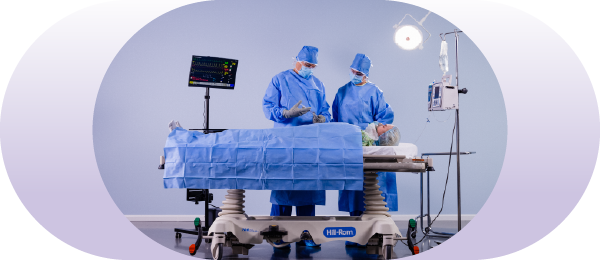
Not every CRNA recruiter understands anesthesia staffing the way a CRNA-specialty team does. CompHealth's dedicated CRNA team brings more than 40 years of combined CRNA recruiting experience, so your recruiter already knows the questions to ask, the hospitals worth a closer look, and the details that actually matter to someone doing your job. CRNA recruitment works best when the person doing it does it every day.
A dedicated recruiter who specializes in CRNA placement
Access to positions nationwide, including openings that are never publicly posted
Credentialing and licensing support, including for multi-state and independent-practice-state moves
Interview coordination and prep
Salary negotiation support
Ongoing support from your first call through your first day
No, there's no cost to you, ever. The hospital or facility pays CompHealth when a placement is successful, which means your recruiter's incentive is the same as yours: finding the position that's genuinely right for you, not just filling a seat.
Zero cost to you: The facility covers all placement fees, always
A CRNA-specialty team: Recruiters focus exclusively on anesthesia staffing, not a general APP pool
Access to unpublished openings: This includes roles that never make it to a job board
Credentialing and licensing help: Especially valuable for multi-state and independent-practice-state moves
Support at every career stage: From SRNAs weighing post-graduation options to experienced CRNAs making a strategic move
Joint Commission–certified: CompHealth meets the same accreditation standard that hospitals hold their own staff to

I didn't have friends or family nearby to tell me which hospitals were better. My recruiter sent me 12 potential hospitals, each with a summary of the schedule, vacation, salary, and sign-on bonus. Reviewing all that from home after someone else did the legwork was such a stress relief.
— Megan McAdams, CRNA
A CRNA staffing agency connects certified registered nurse anesthetists with open positions at hospitals, surgery centers, and other facilities. An agency typically handles everything from matching you to the right opening to supporting credentialing, licensing, contract guidance, and salary negotiation. Some agencies, like CompHealth, even help with some post-acceptance logistics.
CompHealth places CRNAs in permanent roles across hospital operating rooms, ambulatory surgery centers, rural and underserved facilities, pain management clinics, and independent-practice-state opportunities.
Applying directly means you're on your own to find openings, negotiate rates, and manage credentialing. A CompHealth recruiter gives you access to unpublished positions, handles much of the legwork, and advocates for you in negotiations—at no cost to you.
Licensing requirements vary by state, and timelines can vary, too, especially for independent-practice-state positions. Your CompHealth recruiter and credentialing team can walk you through what's required for the specific states you're considering.
It starts with a conversation. Tell your recruiter what you're looking for: setting, location, schedule, and compensation goals. They'll identify positions that fit your requirements, including openings that aren't publicly posted. From there, they help with everything from interview coordination to credentialing.
The median annual wage for CRNAs is $212,650. Actual pay varies by setting, market, and experience. A big part of what your recruiter does is to help you understand realistic salary ranges for the specific positions you're considering and negotiate the strongest offer available.
Browse current openings by location on the CompHealth CRNA job board, or tell a recruiter your target location and they'll do the searching for you.
CompHealth's dedicated CRNA team is ready to help. There's no cost and no obligation.