18 locum tenens physicians on the work, the flexibility, and the life locums built
August 4, 2026
CompHealth has been staffing locum tenens providers since 1979, helping physicians find flexibility, purpose, and better work-life balance across the country. Whether it's the chance to pursue medical missions, recharge from burnout, or see more of the world, these physicians found something meaningful through locum tenens work. Here are 18 of their stories.
1. Dr. Carlos Arauco, obstetrics-gynecology
Locum tenens gave OB-GYN Dr. Carlos Arauco something a private practice couldn't: the freedom to leave the country for weeks at a time without shutting down a business. Inspired by years spent as a Methodist missionary in his native Peru, he had closed his Missouri practice and sold his home, planning to return to Peru full-time for medical missions—until a locum tenens assignment in Branson, Missouri, offered a better option. Instead of choosing between two countries, he now takes assignments that let him continue caring for U.S. patients while frequently returning to Peru for missions. “I get personal satisfaction when I help somebody,” he says. “When I do something good for somebody, it makes me feel better as a physician and a missionary.”
2. Dr. Russ Reinbolt, emergency medicine
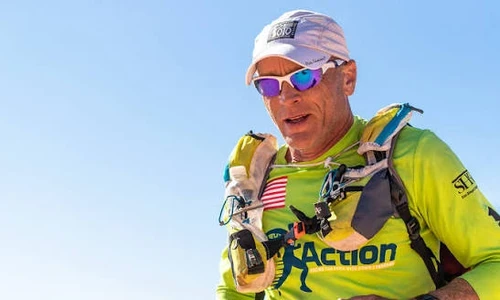
Locum tenens assignments have put emergency medicine physician Dr. Russ Reinbolt in communities he would otherwise never have worked in, including the Navajo Nation in Chinle, Arizona. A marathon runner, he literally ran into an opportunity to give back during that assignment: On a run through Canyon de Chelly National Monument, he met the local high school's athletic director and cross-country coach, and was inspired to donate $1,000 and 100 branded backpacks to the Navajo youth running program. “Running teaches the invaluable life lessons of the value of hard work, self-sacrifice, and discipline,” Dr. Reinbolt says. “It gives them hope.”
3. Dr. Kathleen Klotz, neurology
Covering a neurology position on a locum tenens assignment near Louisville, Kentucky, gave Dr. Kathleen Klotz a fresh set of eyes on a case that had already devastated one family. She helped uncover a rare genetic blood-clotting disorder that had claimed one family member's life—and put others at risk. After running a test on a patient in critical condition, she identified the disorder and was able to recommend screening for his relatives, potentially preventing future tragedies. “It was an amazing moment in the midst of a terrible tragedy to discover a possible explanation for it,” Dr. Klotz says.
4. Dr. Beverly Ricker, pediatrics

Locum tenens lets pediatrician Dr. Beverly Ricker work in blocks—taking assignments, then stepping fully away—which has given her more time with her own grandchildren than a traditional practice ever could. After 13 years as a high school teacher, she went back to school at 40 to pursue pediatrics, and her passion for advocating for children has carried into her locum tenens work, including time spent in courtrooms protecting kids from abusive situations. “It's made family life actually much easier, to be working on, working off so that I can be there for them,” she says.
5. Dr. Norman Baron, family medicine
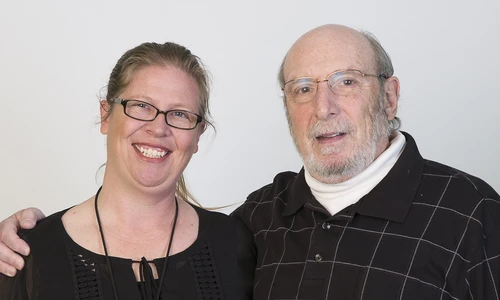
When his son became severely ill, Dr. Norman Baron needed to be near him—something his traditional clinic schedule couldn't accommodate. Nearing retirement at the time, he found he could no longer commit to that schedule and retired. But he missed his patients, and CompHealth placed him on a locum tenens assignment near his son's home, giving him a way back into medicine on his own terms.
6. Dr. Tina Passalaris, oncology
When her father-in-law was diagnosed with terminal cancer in Cyprus, mid-career oncologist Dr. Tina Passalaris and her family relocated there to be closer to him. A four-month locum tenens assignment covering a colleague's maternity leave back in the States turned into a new way of practicing medicine. Years later, she and her family have put down roots on the island for good—her husband works remotely, and her mother-in-law helps look after the kids—while Dr. Passalaris flies back to the U.S. for assignments lasting anywhere from a few weeks to a couple of months at a time. She builds her own travel rhythm around her family's calendar, clustering assignments in stretches when her kids are in school and turning down work entirely during summer break.
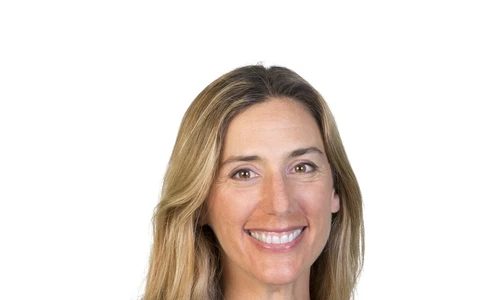
When I'm on assignment, I dedicate myself completely to my job. When I'm home, I'm one hundred percent a mom. I completely create my own schedule. I also have the freedom of my free time.
7. Dr. Richard Rothfleisch, pulmonology and critical care
After years as the sole pulmonary critical care physician in a rural Pennsylvania hospital system, Dr. Richard Rothfleisch found himself working harder for less pay. A life change prompted him to run the numbers on locum tenens, and he realized he could earn the same income working just 14 – 15 days a month. He and his wife moved to South Florida, where he discovered a passion for saltwater fishing. “When you go back to work after a week like that, you're totally recharged,” he says.
8. Dr. Jeanne Cabeza, hospital medicine
Locum tenens assignments have taken hospitalist Dr. Jeanne Cabeza from the Navajo Nation in Arizona to a critical access hospital in Ketchikan, Alaska—the kind of variety that drew her to medicine in the first place, for its flexibility to help underserved communities. The work has also given her time to volunteer internationally with Doctors Without Borders in places like Haiti, Thailand, South Sudan, and Uganda. “I don't really think that would be possible and easy unless I were doing locums,” she says.
I don't really think that would be possible and easy unless I were doing locums.
9. Dr. James Stone, hospital medicine
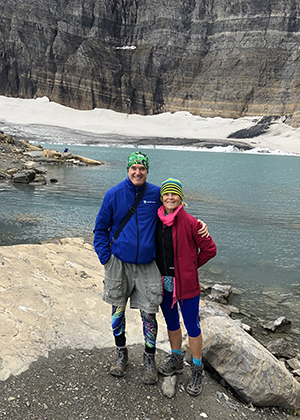
Before medicine, Dr. James Stone worked in academia, fundraising, and on Capitol Hill for Congressman John Lewis. After years on faculty at Emory Medical School, he found what a permanent hospitalist job couldn't offer: locum tenens assignments that let him work in a new part of the country every few months while keeping full control of his schedule.
I liked the idea of being my own boss, and I wanted the opportunity to see the country with my medical degree. I'm really sorry I didn't do it sooner.
10. Dr. Natalie Owens-Sloan, hospital medicine
Dr. Natalie Owens-Sloan has worked locum tenens assignments in some form throughout her career, ever since first trying it during residency, sometimes full-time, sometimes to supplement income from a permanent position. That variety across different hospitals and teams has made her a stronger physician, she says: “There's not just one way to do things. There are multiple ways to do something right. You also meet people from all over, and you learn how to mesh well with people.”
11. Dr. Trevor Cabrera, pediatrics
Most of his fellow residents planned to head straight into outpatient, hospitalist, or academic roles, but Dr. Trevor Cabrera chose locum tenens right out of training. That decision has taken him from a Texas OB-GYN unit to assignments in rural New Mexico and Maine—different settings that have sharpened his skills as The Nomadic Pediatrician along the way.

Working locum tenens across the country has allowed me to see a plethora of places I never dreamt of visiting before.
12. Dr. Sonya Sloan, orthopedic surgery

As she finished her orthopedic surgery residency, Dr. Sonya Sloan was eager to practice—but she was also anxious to start a family. “After 15 years of schooling and training, it was time to have a family, and the option to go full-time, to start a practice and be on call, wasn't conducive to what I wanted or needed,” she says. “I needed a lifestyle. I needed options. And locum tenens was that option. I choose where I go, how long I'm there, what I'm willing to do, and what I'm not willing to do.” For more than 12 years, Dr. Sloan has taken assignments at hospitals ranging from small rural hospitals to level one trauma centers, traveling 10 – 14 days a month and reserving the rest for family. “Locum tenens has allowed me to be more than just my profession,” she says.
13. Dr. Colin Zhu, family medicine
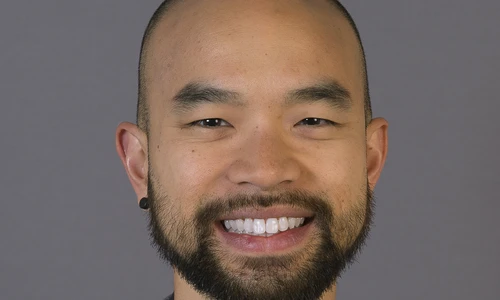
Working full-time locum tenens gives osteopathic family medicine physician Dr. Colin Zhu the freedom to choose where he practices based on need—and his own preferences—while leaving him enough time and energy for a passion outside medicine: culinary arts. “Because of the vastness of opportunities available, I can decide where I can go based on my preferences,” he says. “With more time and freedom, I'm able to pursue other passions like my passion for culinary medicine. I'm able to do both side by side with enough energy.”
14. Dr. Susan Newcomb, hospital medicine
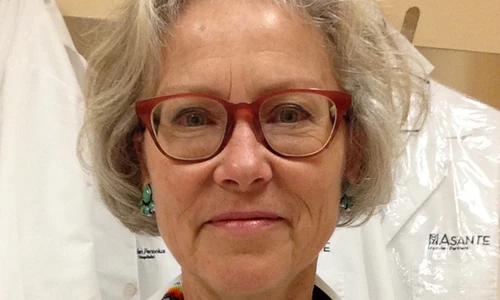
After 33 years working for the same hospital system in her hometown, Dr. Susan Newcomb grew frustrated as local hospitals were bought up by a corporation she felt had “a commitment to itself but not to the community.” Watching two close hospitalist friends make the jump to locum tenens first, she eventually followed. “I like having control of my schedule,” she says. “When you work for a corporation, you're just a cost center to them. I would never go back. I'll do locums until I'm finished with my career.”
15. Dr. Margaret King, nephrology
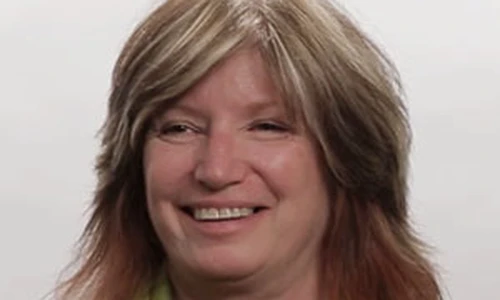
Nephrologist Dr. Margaret King has been working locum tenens assignments since 1992, long enough to collect stories from Hawaii, Southern California, North Carolina, and everywhere in between. Her path started with a joke: Fresh out of fellowship, a friend asked what she'd do if she won the lottery, and she said she'd love to travel the country pulling a little silver trailer behind her car. “He said, 'You don't have to win the lottery, you can become a locum tenens doc,'” she recalls. Decades of assignments later, she's still moving. “It's really hard to describe,” she says. “I can sit here and tell stories about things that happened to me in Hawaii, Southern California, and North Carolina. This is my whole life, honestly, a really good life.”
16. Dr. Shyrlena Bogard, obstetrics-gynecology
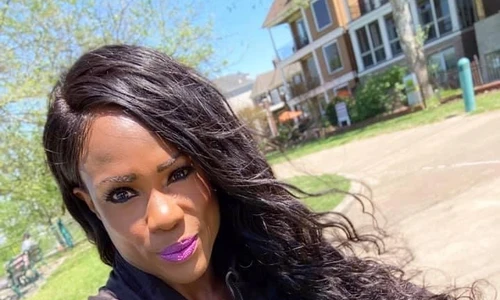
Dr. Shyrlena Bogard started working locum tenens at the very beginning of her career, using it to fund a cross-country move and get a telehealth business off the ground. Now based in Memphis, she flies to Southern California most weeks for hospitalist assignments and has built relationships with patients and staff at facilities she returns to repeatedly. “Becoming a locum has helped me keep that work-life balance but to have flexibility and control,” she says. “Locums allows me not to get burned out but continue doing what I love.”
17. Dr. Andrew Wilner, neurology
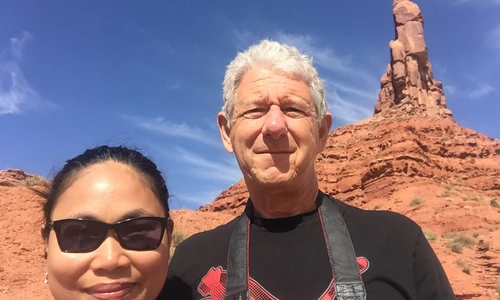
After more than 40 years practicing medicine, neurologist Dr. Andrew Wilner turned to locum tenens to fight off the creeping boredom and burnout he calls “ennui.” Locums assignments have taken him to Minneapolis, Phoenix, and Sioux Falls, and let him block off time every few months to travel to Southeast Asia for scuba diving. “Locum tenens can transform clinical work from a daily grind to an adventure,” he says.
18. Dr. Noel Lumpkin, anesthesiology

For anesthesiologist Dr. Noel Lumpkin, locum tenens meant trading a fixed staff schedule for one she controls entirely—freeing up blocks of time to write a book and serve on medical missions abroad, in addition to her clinical work. “Locum tenens is the promised land of medicine,” she says. “You get all the benefits of practicing medicine, without the politics, meetings, or burnout.”
Interested in working locums? Give us a call at 800.453.3030 or view today's locum tenens job opportunities.