How to prevent summer coverage gaps from impacting physicians and patients
April 23, 2026
Every summer brings the same predictable staffing challenge: Physicians take time off, leaving care gaps that colleagues must stretch to cover. With children out of school and the weather enticing, summer is peak PTO season.
Unfortunately, patient volume doesn’t decline to match the reduced provider availability. In fact, summer can bring increased patient volume in some departments due to injuries and illnesses related to outdoor activities and travel.
Too often, physicians return from rejuvenating time away only to be hit with overtime hours as they cover for their colleagues’ PTO. This summertime juggling act is a recipe for burnout, as the pressure to care for too many patients in too little time is a major contributor.
Arranging healthcare vacation coverage doesn’t have to be a last-minute scramble. Proactive planning can reduce the burden on already overstretched physicians while ensuring uninterrupted patient care during the summer months.
The risks of overloading full-time physicians
Relying on physicians to take on extra hours to cover for each other comes with real risks. Extra time on the clock or on call can directly affect physician morale and increase the risk of turnover.
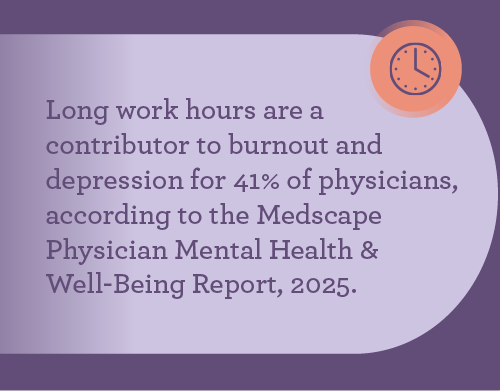
Many physicians are already struggling with burnout (47%) and depression (24%), according to the Medscape Physician Mental Health & Well-Being Report, 2025. Plus, workload and staffing were cited as the top workplace challenges by physicians in CHG Healthcare’s Physician Sentiment Survey.
To alleviate workload burdens, adequate planning for physician vacation coverage should be considered within a healthcare organization’s physician retention strategy.
Another risk associated with poor physician staffing during the summer is a threat to overall patient care. Evidence demonstrates that physician burnout decreases the quality of patient care and decreases patient satisfaction. A strategic approach to PTO planning can help preserve continuity of care and avoid damaging the patient experience.
Why use locums? Improve team satisfaction and workload balance
Which departments are most affected by summer vacations?
Summer brings unique demands for healthcare services. More people are participating in outdoor activities, travel, and sports, which can lead to injuries and illnesses. Also, families may take advantage of greater schedule flexibility in the summer to schedule elective procedures. The following departments may be uniquely impacted by increased demand at the height of vacation season:

Emergency Medicine: Recreational injuries, heat-related illness, and insect bites or parasitic infections

Hospitalists: Admissions from trauma, exacerbations of chronic disease, and tourist-related admissions

Primary Care: School and sports physicals, travel medicine visits, seasonal illnesses, and minor injuries

Anesthesiology: An increase in elective surgeries and trauma surgeries

OB-GYN: A late summer peak in births, gynecologic elective surgeries, and heat-related pregnancy complications
When should hospitals plan summer coverage?
Earlier is better when planning summertime vacation staffing coverage. If you anticipate needing to bring on reinforcements, you’ll need to leave adequate time to complete licensing and credentialing, which can take several weeks at a minimum. For this reason, the first of the year is generally a good time to start thinking about summer staffing.
Here are a few steps to take to get started:
Analyze PTO trends from previous years to see which departments tend to be most affected or to pinpoint peak vacation weeks—for example, the week of Independence Day or early summer when school first gets out.
Ask physicians to request their PTO as early as possible or to give a rough estimate of when and how much time they will be taking. Provide firm deadlines for PTO requests.
Explore options for ensuring coverage, such as tapping into your organization’s float pool, utilizing telehealth where possible, or bringing on locum tenens physicians.
How to create a sustainable summer staffing model
When implementing hospital summer staffing solutions, keep your overall workforce management strategy in mind—summer planning should be an element of that larger strategy, not a problem dealt with only as it arises.
For instance, supporting physicians in their need for time away is crucial for helping them maintain a positive work-life balance and avoid burnout. Any summertime coverage strategies should recognize this need and avoid restrictive PTO policies. As much as possible, work to protect physician vacation time by making coverage arrangements that enable PTO while ensuring continuity of care.
One practical step you can take is to stagger PTO approval windows. Create a dynamic lead time for summertime vacations by setting a rolling approval window. For example, require all June PTO requests to be submitted by April and July requests by May, etc.
Additionally, ensure you have a clear and fair policy for dealing with overlapping PTO requests, whether it’s approving them on a first-come, first-served basis, based on seniority, or on a case-by-case basis.
Can locum tenens help with summer coverage?
Healthcare organizations are increasingly leveraging locum tenens as part of their strategic workforce planning. Using locum tenens for summer coverage can help prevent physician burnout and turnover, and avoid the costs associated with recruitment and coverage gaps.
Forty-two percent of healthcare facilities use locum tenens to cover vacation gaps, according to the 2025 CHG Healthcare Client Awareness & Perception Study. And a quarter of all facilities deploy locums tenens physicians to mitigate burnout and reduce turnover.
Locums offers several benefits to healthcare organizations wondering how to cover physician vacations during the summer. Locums allows for flexible assignment lengths, making it easy to find the ideal short-term physician staffing coverage. When working with CompHealth, facilities have access to a large pool of pre-credentialed providers to reduce fill times and administrative burden. Additionally, turning to locum physicians to cover summer vacations helps your organization avoid overtime dependence.
Why locum tenens is key to summer coverage
Summertime coverage gaps place an enormous burden on physicians who must step in to fill them, increasing the risk of burnout, reduced morale, and turnover. But increased vacation requests in the summer are foreseeable, giving healthcare organizations time to make coverage arrangements. Proactive planning can reduce the burden on physicians and protect continuity of care for patients.
Deploying locum tenens physicians is a straightforward way to help physicians enjoy their summertime PTO while supporting their colleagues and patients alike. The strategic use of locums enables healthcare organizations to avoid adding to physician burnout while capturing revenue that would otherwise be lost. That’s why locum tenens is more than a coverage stopgap; it’s a key component in any strategic workforce plan.
CompHealth can help
With 45 years of experience helping healthcare organizations fill their temporary physician staffing needs, CompHealth offers access to an extensive network of pre-credentialed providers. Our specialty-specific recruiters are trained and experienced in understanding the nuances of specialties. At the same time, dedicated support teams handle expedited licensing and hospital privileging—all of which help CompHealth achieve faster fill times than industry averages.