

The nurse practitioner's locum tenens guide: How to succeed in a locums assignment
March 17, 2026
This is part five in a six-part series on everything nurse practitioners need to know about working locum tenens. If you missed the previous installments, you can read them here:
Accepting a locum tenens assignment is an exciting step, but stepping into a new facility—often for just a few weeks or months—can feel daunting. Success in locums work isn’t just about clinical skills; it's about preparation, communication, and adaptability. By approaching each assignment strategically, nurse practitioners can build strong relationships, navigate workflows efficiently, and set themselves up for repeat opportunities.
Preparing for your first NP locums assignment
Preparation begins long before you step into a new facility. Take time to review the assignment details, including:
Patient population
Scope of practice
Schedule
Facility expectations
Ask your recruiter for orientation materials or tips from previous clinicians who have worked there. Understanding the culture, common workflows, and electronic health record systems in advance can save hours of adjustment during the first few days.
It’s also important to plan for practical logistics: travel, housing, state licensing, and any required documentation. Being organized from the start allows you to focus on patient care and relationship-building once the assignment begins.
A veteran locum NP's advice: How to prepare for your locums assignment
Onboarding and orientation tips for locum NPs
Every facility has its own onboarding process, and how you navigate it can set the tone for your assignment. Treat orientation as both a learning period and an opportunity to observe and understand institutional standards. Ask questions, clarify expectations, and take notes for future reference.
You have to remember you’re a guest in their institution and adapt to how they do things.
Showing respect for local policies, protocols, and culture demonstrates professionalism and helps staff view you as part of the team, even in a temporary role.
Being flexible is essential. You have to meet people where they are.
Adapting quickly to new processes
Locum tenens work often requires rapid adaptation. Different facilities may have unique electronic health record systems, documentation standards, or care protocols. Being proactive, observant, and willing to adjust your routines—from how you chart to how you communicate with staff—is critical for maintaining efficiency, ensuring patient safety, and building trust with your new team.
If you’re going to be in locums, you have to be adaptable. You have to be open-minded. If you can’t roll with the punches, locums isn’t for you.
Flexibility isn’t just about adapting to protocols—it also means collaborating effectively with staff, anticipating patient needs, and adjusting smoothly to unexpected changes in your schedule or patient load.
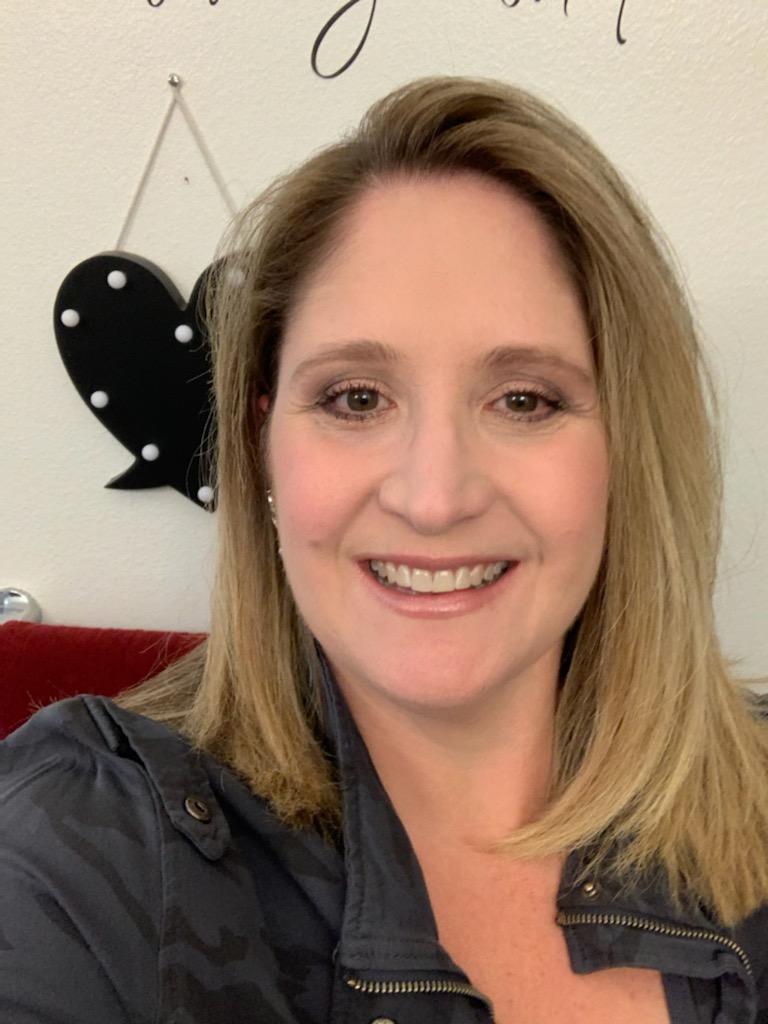
You have to be really flexible and able to enter an environment you’re not used to. You have to be a team player.
Building strong relationships
Relationships are at the heart of a successful assignment. Even short-term clinicians can leave a lasting impression by showing respect, reliability, and empathy toward both patients and staff. Taking the time to observe team dynamics, understand individual roles, listen actively, and offer support when needed not only builds trust but also helps the workflow run more smoothly.
Small gestures—such as checking in with nurses, acknowledging the efforts of administrative staff, or adapting to your supervising providers' preferences—can go a long way toward establishing credibility and rapport.

Once you win over the staff, the rest is easy.
Strong relationships also open doors for repeat assignments, positive references, and long-term professional networking. Staff and administrators who feel respected and supported are more likely to recommend you for future opportunities, making these connections invaluable for sustaining a successful locum career.
Working in unique settings as a locum NP
Some locum assignments place nurse practitioners in specialized or culturally distinct environments, such as Native American or Tribal Health facilities, rural clinics, or hospitals serving unique populations. Success in these settings requires sensitivity, humility, and openness, along with a willingness to learn from the community and staff around you.
Don’t let preconceived notions guide what you think Native American Health might be. The family structure, their care for each other, their culture and language—it was a wonderful experience.
Taking the time to understand community norms, patient expectations, and institutional culture allows NPs to provide high-quality, culturally competent care while building strong relationships with both patients and staff.
This may involve learning local traditions, being mindful of language or communication preferences, and adapting to care practices that differ from those in previous assignments. Approaching each assignment with curiosity and respect not only enhances patient outcomes but also enriches your own professional growth.
Working as a rural locum tenens NP: One NP's advice for success
Avoiding common early mistakes locum NPs make
Early missteps in a locum assignment often stem from assumptions, lack of communication, or inflexibility. Common pitfalls include:

Assuming workflows are the same as your previous facility
Avoiding questions for fear of appearing inexperienced
Not clarifying schedule or call expectations upfront
Underestimating the importance of team dynamics
Being proactive, communicative, and adaptable can help prevent these issues and ensure your assignment runs smoothly. This means asking questions early, confirming expectations, observing and respecting established processes, and remaining open to feedback from staff and supervisors. By addressing potential challenges head-on and maintaining a collaborative mindset, NPs can quickly build credibility, earn their team's trust, and set themselves up for a positive, successful locum experience.
Key takeaways for locum tenens success

Prepare in advance: Know your assignment details, facility expectations, and logistical requirements.

Approach onboarding strategically: Observe, ask questions, and integrate quickly into workflows.

Adapt to new environments: Flexibility and openness are essential for navigating different systems and patient populations.

Build relationships: Collaborate with staff, engage with patients, and establish trust early.

Respect unique settings: Cultural sensitivity and humility go a long way in specialized environments.

Communicate clearly: Don’t hesitate to clarify expectations, ask questions, and address concerns promptly.
With preparation, communication, and adaptability, nurse practitioners can not only succeed in their first locum assignment but also set themselves up for future opportunities—making each experience smoother, more rewarding, and professionally enriching.
In the next and final article, we’ll explore the bigger picture: how locum tenens can fit into your long-term career strategy, including the potential for ongoing assignments, professional growth, and building a sustainable career as a nurse practitioner.
Go back to part four: Finding a recruiter and reviewing the contract